We Carry What They Built
From organized hate to organized hope


When Engedaw Berhanu stood up in the Hollywood Theatre on Tuesday night, the room shifted.
He is Mulugeta Seraw’s uncle. Nearly four decades after his nephew was beaten to death by white supremacists on a Portland street, he is still carrying that name in public so the rest of us do not get to treat it as a footnote.
If you do not know the story, that is part of the problem. In 1988, Mulugeta was a 28-year-old Ethiopian immigrant, a husband, a father, a student. He was targeted by members of a white supremacist organization tied to the broader white nationalist movement taking root in the Pacific Northwest. His murder forced Portland to confront something it preferred not to see: organized racist violence was not happening somewhere else. It was here.
But that is not the whole story.
His death galvanized many of us. Not only in Portland, but across the Pacific Northwest and the Mountain States. People who had been working in isolation suddenly found one another. Organizers, clergy, students, union members, artists, neighbors. We began standing up for each other in ways that reshaped the region. Out of grief came coordination. Out of shock came infrastructure. Mulugeta’s name became more than a symbol of loss. It became a commitment.
Those of us who were there still carry him. Not only the violence that ended his life, but the life he should have had. The joy. The justice. The laughter. The community. The ordinary future that was stolen. That is what sits in the room when his uncle rises to speak.

Remember Mulugeta lays this out with discipline. It does not exaggerate. It does not dramatize. It shows how ideology becomes action, how networks form, how language prepares the ground. It also shows how communities respond. It is only an hour long. You can watch it in the time it takes to scroll aimlessly on your phone. And when it ends, you will understand something about this moment that headlines alone cannot teach. You can view the full documentary here or on any OPB streaming sites.
I was on the panel with Elinore Langer, whose reporting three decades ago for The Nation magazine helped expose the structure behind white nationalism. Jim Redden brought the memory of a local journalist who covered those years when many preferred denial. The filmmakers, Dan Handelman and Corina Pastore and Oregon Public Broadcasting treated the story with care and seriousness. But what stayed with me was Engedaw. Not as a symbol. As a man who has refused to let his nephew’s life be reduced to a statistic.
Portland does not get to call this ancient history. Neither does the country.
Because what we faced then is not gone. It is part of a larger story about how democracies strain under pressure and how communities either fracture or find one another.
That is why the conversations I had in Ireland and Northern Ireland felt so familiar.
In December I traveled to Ireland and Northern Ireland. The first report from that engagement was recently released by the Social Change Initiative. SCI has been investing in leaders and organizations around the world that are trying to protect democratic culture in societies that know what political violence feels like in real life. Belfast is not theoretical. Dublin is not abstract. People there understand what happens when identity hardens and institutions fail and how you still show up for each other. You can review the report here.
The conversations were about how civil society can stay steady when pressure rises. What struck me most was the seriousness. There was no romance about conflict. There was also no fatalism. The work is slow. It requires relationships. It requires courage. It requires a willingness to face hard truths about your own side.
That matters for us. Authoritarian movements hostile to democracy collaborate across borders. They refine their messaging. They test it. They learn from one another. Those of us committed to multiracial democracy must be just as serious.
Earlier this week, Odette Yousef released a strong piece of reporting on NPR about extremist racist messaging. I have a brief voice in that segment. The larger story is about how deliberate this messaging has become. It does not accidentally drift into public life. It is placed there. It is repeated until it feels familiar. Familiarity lowers defenses.
If you want to understand the cultural terrain we are standing on right now, listen to that story.
All of this has been unfolding while I have been sitting with loss.
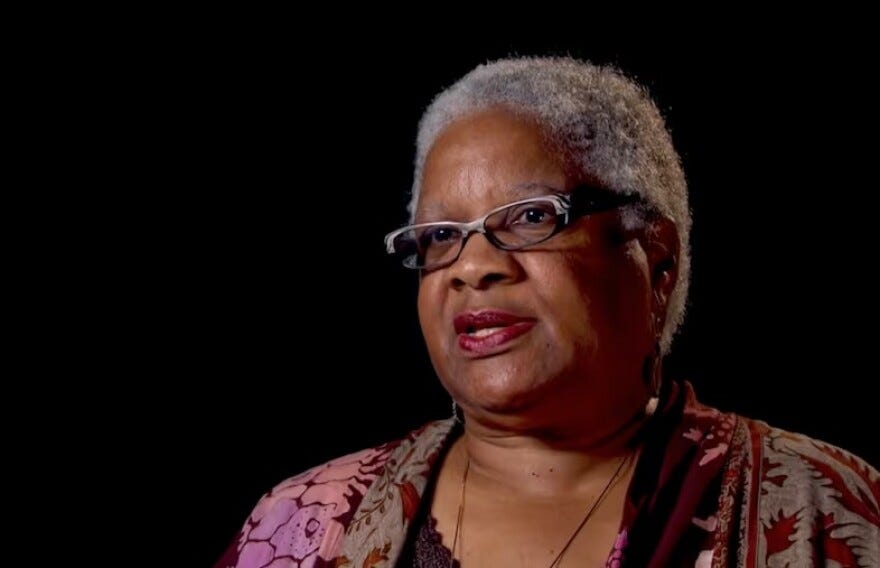
Avel Gordly was one of the first Black women elected to the Oregon State Senate and a pioneer in Oregon politics. I met her in 1991 through the Advanced Leadership Mentorship Program. I was young and impatient. She was steady and strategic. She showed me that power can be navigated without surrendering integrity. She helped me understand that policy is not separate from movement work. It is one of its arenas. She opened doors that were not designed to open.
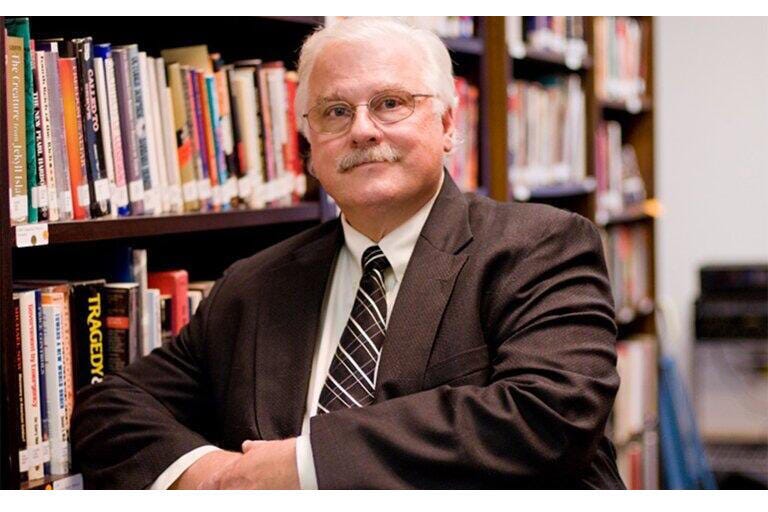
Chip Berlet spent decades studying the racial and religious right when most people were not paying attention. In the early 1990s he took time with organizers like me who were trying to understand militias, conspiracy frameworks, and the theology behind white nationalist movements. He answered late night phone calls. He sat at kitchen tables. He never treated us as if we were asking foolish questions. He believed that if you were going to confront an ideology, you had to understand it in detail. His scholarship shaped a generation of us. His generosity shaped me.
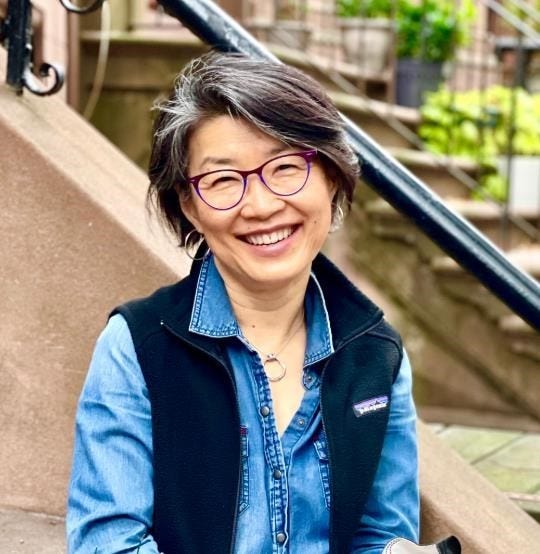
Helen Kim became a mentor in 2019. When the pandemic hit and leadership became a daily exercise in uncertainty, she was someone I could call to think clearly. She was direct. She did not sugarcoat hard realities. She pushed me to pay attention to culture inside organizations, to how decisions land, to what steadiness looks like when people are frightened. She helped me grow into a different kind of leader than I might have become on my own.
And then there is Jesse Jackson.
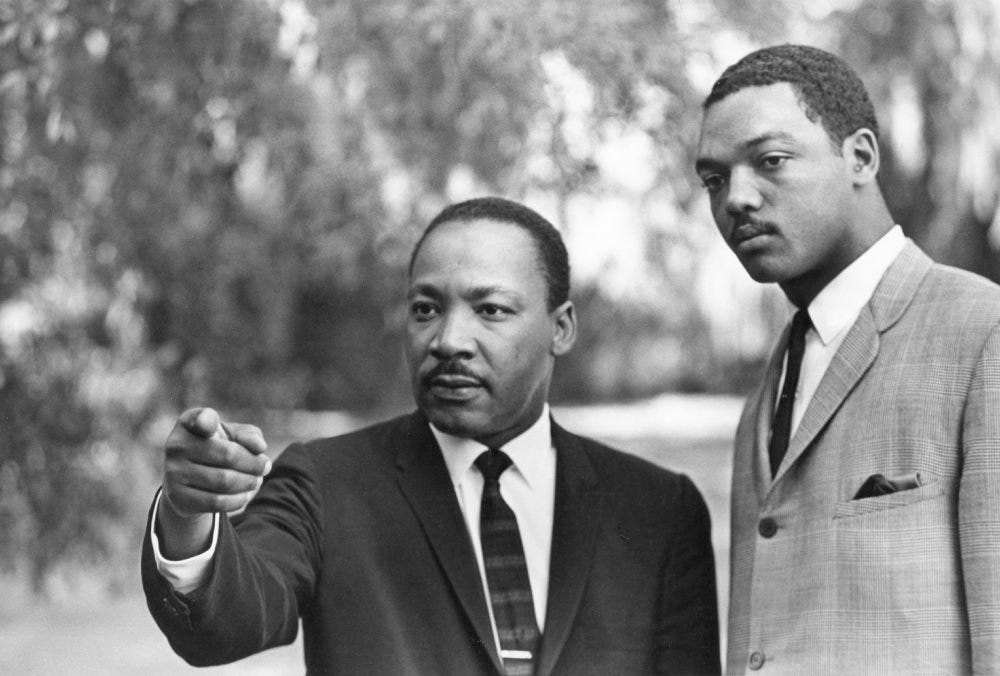
I first saw him speak in the late 1980s. Thousands of people in a room, leaning forward. He talked about a multiracial democracy as if it were not an aspiration but an obligation. The Rainbow Coalition was not branding. It was a political vision grounded in the Black radical tradition. He understood that white supremacy adapts. He understood that hope has to be organized or it becomes decoration.
His voice carried conviction. It carried risk. It carried belief in a country and social movements that often did not return it in kind.
When I look at this moment, the film, the conversations in Ireland and Northern Ireland, the reporting on extremist messaging, the loss of mentors, and the passing of Jesse Jackson, I do not see scattered updates. I see a through line.
The forces that killed Mulugeta did not disappear. They reorganized. They refined their language. They learned how to operate in daylight. The people who warned us about that were often dismissed as alarmists. Some of them were my teachers.
There were years when I believed that exposure alone would weaken these movements. That if people simply saw clearly, they would reject what they were seeing. Sitting in that theater, listening to Engedaw speak, I felt how incomplete that assumption was. Awareness matters. But it is not the same thing as organized response.
What changed the Pacific Northwest after Mulugeta’s murder was not awareness alone. It was people deciding to stand up for one another. It was networks forming. It was courage becoming contagious. His life, and what it should have been, became part of our moral compass.
The mentors I have lost did not spend their lives trying to win arguments. They were building capacity. They were building people. Jesse did not speak about a multiracial democracy because it sounded good in a speech. He spoke about it because he understood what grows in the vacuum when that vision is absent.
There will come a time when this era is studied. People will ask whether we understood the signals. Whether we recognized the organizing on the other side. Whether we remembered what grief once taught us about solidarity.
If you do nothing else after reading this, take one hour and watch the film. Read the reflections from Ireland and Northern Ireland. Listen to the reporting. Not as spectators. As participants in a story that is still being written.
The theater lights come up. The applause fades. Engedaw Berhanu goes home still carrying his nephew’s name.
Those of us who were there carry it too. So now do you.
The question is whether we carry it forward.
Thank you so much, Eric. I see the work that we did at coalition for human dignity as a gem of teaching each other to take a stand and act on it thank you for those years. I got to see the film Marty Zwick sent it over to me the night of it showing. It is excellent.
Looking forward to watching the film, thanks for sharing!